Same Street, Totally Different Story: The Invisible Forces Deciding Your Package's Fate
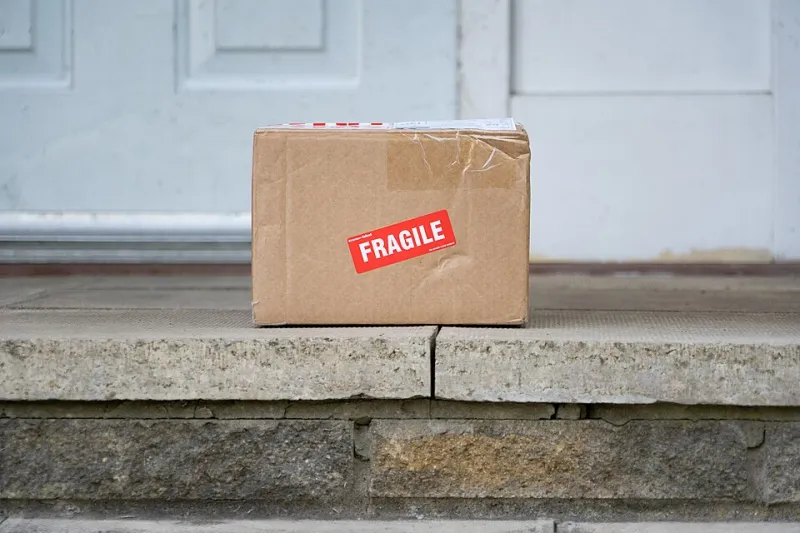
Photo: Meanwell Packaging, CC BY 2.0, via Wikimedia Commons
You ordered the same brand of blender as your neighbor across the street. It shipped the same day, from the same warehouse, through the same carrier. Her box arrived looking like it was hand-delivered by someone who cared. Yours showed up with a corner caved in, the contents rattling around like loose change in a dryer.
Same street. Same carrier. Wildly different outcomes.
This isn't a coincidence, and it's definitely not bad luck. There's an entire invisible infrastructure — one most shoppers never think about — that determines the physical condition of your package long before it ever reaches your front door.
It Starts Way Before the Truck Pulls Up
Most people think package damage happens during delivery. The truth is, a lot of it happens before the driver even clocks in for the day.
Sorting facilities — the massive warehouses where packages get routed toward your region — operate under enormous pressure. Volume targets, labor shortages, and time constraints mean that packages move fast, and not always gently. Conveyor systems, automated sorters, and human handlers are all part of a chain where one rough handoff can do lasting damage.
Here's the kicker: not all sorting facilities are created equal. Some are newer, better-staffed, and equipped with gentler automated systems. Others are older, understaffed, and running at overcapacity. The facility your package passes through depends on where you live and which regional hub serves your zip code — and that's not something you get to choose.
If your address routes through a high-volume, understaffed hub, your packages face statistically higher damage risk before they're even loaded onto a local truck.
The Last-Mile Problem Nobody Talks About
The "last mile" — industry speak for the final leg of delivery from a local depot to your door — is where most of the variability lives. And it's messier than you'd think.
Carriers use routing algorithms to assign stops to drivers, but those algorithms optimize for speed and fuel efficiency, not package care. A driver with 180 stops and a four-hour window isn't lingering over fragile stickers or carefully repositioning boxes in the cargo area. Packages shift, stack, and slide.
What makes this especially uneven is how carriers handle different neighborhoods. Delivery density matters a lot. In areas where stops are tightly clustered — think dense suburban subdivisions or urban apartment buildings — drivers can move efficiently, which often means less time rushing and fewer rough handoffs. In more spread-out areas, drivers are under more time pressure per stop, and packages can end up taking more physical punishment during longer drives between addresses.
There's also the matter of contracted delivery partners. Many major carriers use third-party last-mile services for certain routes, especially in lower-density areas. These contractors operate with varying levels of training, equipment quality, and accountability. Your neighbor might be on a primary carrier route. You might be on a contracted route. Same carrier logo on the tracking page, very different handling standards at the end.
Carrier Partnerships and the Retailer's Role
Retailers don't just hand your package to a carrier and hope for the best — at least the big ones don't. Major e-commerce players negotiate carrier contracts that include service level agreements, damage rate thresholds, and preferred routing arrangements. If you're ordering from a large retailer with serious shipping volume, your package is more likely to move through premium-tier handling.
Smaller retailers often don't have that leverage. They take whatever rate and routing they can get, which can mean lower-priority handling through older facilities. That artisan candle you ordered from a small shop? It may have gone through a completely different tier of the carrier's network than the gadget you grabbed from a major marketplace.
Packaging standards also vary wildly by retailer. Some pack with military-grade bubble wrap and double-wall boxes. Others drop your item into an oversized box with a single air pillow and call it a day. Both packages hit the same sorting belt, but only one has a fighting chance.
Why Your Specific Address Has a Reputation
This is the part that surprises most people: your address has a delivery history, and carriers know it.
Routing systems track which stops generate complaints, require re-delivery attempts, or have access issues. Addresses flagged for problems — a gate code that never works, a dog that charges the truck, a mailbox that's technically on the wrong side of the driveway — can end up lower in a driver's mental priority list, even if the system doesn't explicitly code it that way.
On the flip side, neighborhoods with high complaint rates for damage or theft can sometimes trigger more careful handling protocols, or they can simply get deprioritized if the carrier's cost-benefit math doesn't favor extra care.
Urban addresses near major distribution hubs often benefit from shorter transit times and fewer handoffs, which directly correlates with better package condition. Rural addresses, or those far from regional sorting centers, spend more time in transit, pass through more hands, and face higher cumulative damage risk — even when every individual handler does their job fine.
What You Can Actually Do About It
You can't redesign the carrier's routing algorithm, but you're not totally powerless either.
First, pay attention to which carriers consistently deliver in better condition to your address. Most e-commerce platforms let you see which carrier fulfilled past orders. If one carrier reliably wrecks your packages while another doesn't, factor that into where you shop — some retailers let you select carriers at checkout, or you can prioritize retailers who use the carrier that works better for your route.
Second, invest in package intercept options when available. Carrier apps from USPS, UPS, and FedEx let you redirect packages to local pickup locations or access points. A package sitting in a secure facility is almost always in better shape than one that rode around in a truck for six hours.
Third, photograph everything on arrival before you open it. If damage is present, that timestamp matters enormously for claims. Carriers and retailers both respond better to documented evidence than to descriptions after the fact.
Finally, when something arrives damaged, file the claim immediately and be specific. Vague complaints get vague responses. Detailed claims with photos, order numbers, and carrier tracking references move faster and resolve better.
The delivery lottery is real, and the house has an edge. But knowing how the game works is the first step to not getting played.