Why Where You Live Decides Whether Your Package Actually Arrives
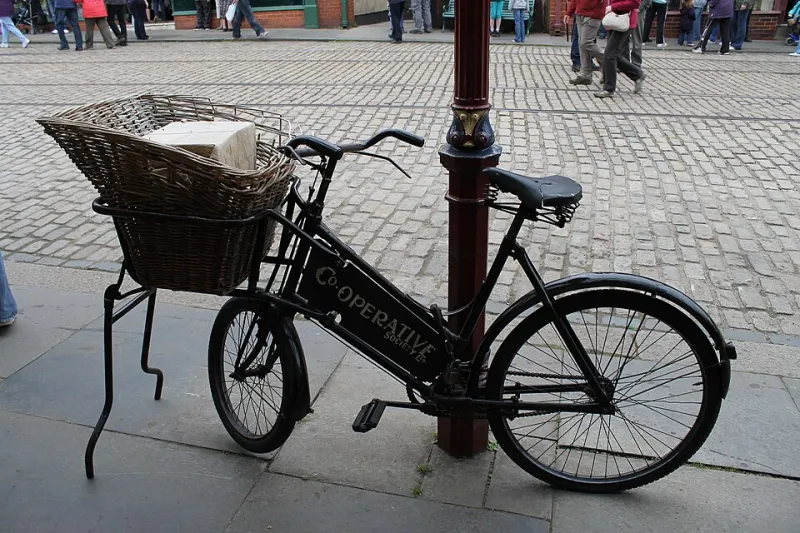
Photo: Maggie Stephens from London, UK, CC BY 2.0, via Wikimedia Commons
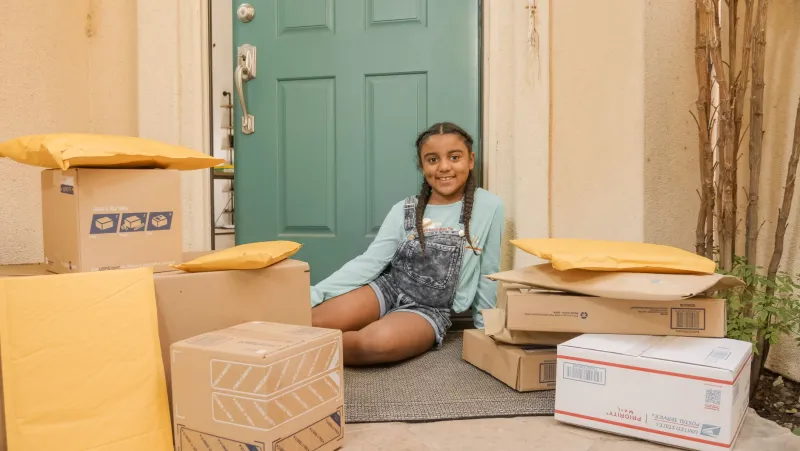
You hit Buy Now, get a confirmation email, and settle in to wait. Simple enough, right? Except that package is about to travel through a system that treats your address very differently depending on where you live, what your street looks like, and what time of year it is. For millions of American shoppers, delivery isn't a guarantee — it's more like a coin flip with a lot of variables baked in.
Let's talk about what's actually going on.
The Myth of Universal Delivery
When a major retailer promises two-day shipping, that clock starts ticking from a fulfillment center — not from your front door. The "last mile" of delivery, the stretch from a regional hub to your actual home, is where things get complicated. And that last mile looks wildly different depending on whether you're in a dense urban neighborhood, a sprawling suburb, or a rural county where the nearest distribution hub is 40 miles away.
Carriers optimize their routes for efficiency. That means high-density areas with predictable street layouts get priority. If you live somewhere with limited road access, seasonal flooding, gravel roads, or inconsistent address signage, you're already starting behind. Drivers make judgment calls every single day, and your address either makes their job easy or it doesn't.
Urban areas come with their own set of problems, though. Apartment buildings with no secure package lockers, blocks with historically high theft rates, and overloaded delivery windows during peak seasons all chip away at that confidence you felt when you clicked purchase.
Theft Rates Aren't Evenly Spread
Porch piracy is one of those crimes that sounds almost comical until it happens to you. According to survey data collected over recent years, roughly one in three Americans has had a package stolen at some point. But that national average masks some serious local variation.
High foot-traffic urban corridors — think densely packed row houses, apartment-lined streets near transit stops, or neighborhoods with limited sight lines from the street — tend to see higher theft rates. The reason is pretty straightforward: more people walking by means more opportunity. Suburban cul-de-sacs with ring cameras on every third house present a much less attractive target.
This doesn't mean rural or suburban shoppers are completely safe. Isolated rural addresses can go hours without anyone home, and packages sitting on a porch since 9 a.m. are an obvious mark by the time the afternoon rolls around.
The takeaway? Understanding your neighborhood's actual theft pattern matters. Local community forums, neighborhood apps, and even local police department crime reports can give you a clearer picture than any national statistic.
Weather Is a Delivery Variable Nobody Talks About
Here's something most shoppers never think about: weather doesn't just delay packages, it changes how carriers handle them entirely. During winter storms across the Midwest and Northeast, routes get consolidated. Drivers skip stops they deem "low priority" to complete their core route before conditions worsen. Your package gets bumped to the next day — or the day after that.
In the South and Gulf Coast regions, hurricane season creates unpredictable blackout zones where delivery simply stops. Flash flooding in parts of the Southwest can take out road access for hours at a time. Even extreme heat in places like Arizona affects delivery timelines, because carriers adjust afternoon routes to avoid the worst of it.
If you live somewhere with seasonal weather extremes, that's a real factor in your personal delivery risk profile. Timing your orders around known weather windows — shipping that outdoor furniture before monsoon season hits, for example — is one of the smarter moves you can make as an online shopper.
How to Build Your Own Delivery Risk Profile
You don't need a data science degree to get a rough sense of where you stand. Walk through these questions honestly:
1. How visible is your front door from the street? High visibility to passing foot traffic increases theft risk. If your porch is basically a public stage, that's worth noting.
2. Is there a secure place for packages to be left? No porch, no covered entryway, no package locker = higher exposure to both theft and weather damage.
3. How often is someone home during delivery hours? Carriers typically deliver between 8 a.m. and 8 p.m. If your house is empty for most of that window, your packages are sitting unattended for a long time.
4. Have you had packages go missing before? Your own history is your best data point. If it's happened once, your address is already on the radar of at least one opportunist.
5. How far are you from the nearest major distribution hub? This affects not just speed but the number of carrier handoffs your package goes through. More handoffs = more chances for something to go wrong.
Practical Ways to Stack the Odds in Your Favor
Once you know your risk level, you can actually do something about it. Here are strategies that work regardless of where you live:
Use delivery instructions. Most carriers and retailers allow you to add notes to your delivery — ask for packages to be left behind a gate, inside a screen door, or in a specific corner. It takes 30 seconds and genuinely helps.
Require a signature for high-value items. It's a small hassle but it guarantees a human interaction at delivery. No drop-and-dash.
Install a package lockbox. These have come way down in price and are easy to mount near your door. Many carriers are now trained to use them when they're present.
Pick up from a carrier access point. UPS, FedEx, and USPS all have local pickup locations — pharmacies, convenience stores, dedicated counters — where you can redirect a package before it ever hits your porch.
Time your orders strategically. If you know your neighborhood gets hit hardest on weekends when mail carriers are off, try to schedule deliveries for midweek when you're more likely to be around.
The Bottom Line
Online shopping is supposed to be convenient. And for the most part, it is. But "delivered to your door" means something different depending on which door we're talking about. The more honest you are about your actual delivery environment, the better equipped you'll be to protect what you're paying for.
At HNB Shop, we're all about getting the right stuff to the right people without the headaches. That starts with knowing what you're working with — and making smart moves before the package even ships.