Not All Doorsteps Are Created Equal: The Hidden Delivery Risk Map in Your Neighborhood
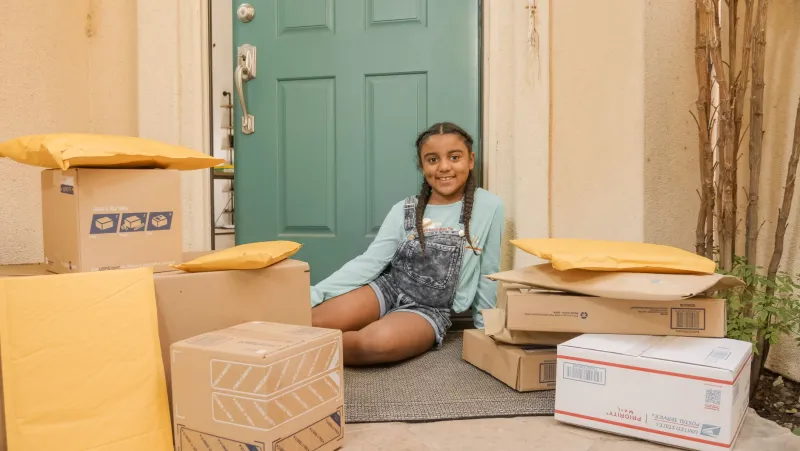
You ordered something. You tracked it obsessively. The app said "Delivered" — but when you walked to your front door, there was nothing there. No box. No bag. No note. Just a sad, empty porch staring back at you.
This isn't just bad luck. For millions of Americans, it's a pattern — and it has a lot more to do with where you live than whether your carrier was having a rough day.
The Delivery Lottery Is Already Rigged
Here's something the big retailers don't advertise: your zip code is quietly one of the biggest factors in whether your package actually makes it to your hands. It's not just about porch pirates, either. Think weather exposure, road accessibility, building layout, neighborhood density, and even how well-lit your street is after dark.
According to data compiled by security research firms and package insurance providers, an estimated 210 million packages were lost, stolen, or damaged in the US in a single recent year. That's not a rounding error. That's a national infrastructure problem wearing the costume of a "shipping issue."
Urban areas — especially densely packed apartment corridors in cities like New York, Chicago, and LA — see high theft rates simply because there are more people passing by and fewer eyes watching any one door. Meanwhile, rural routes carry their own unique risks: longer transit times, more exposure to weather, and delivery drivers who may be covering 80-mile stretches with limited time at each stop.
Suburban neighborhoods sit somewhere in the middle, but don't assume that means safe. Cul-de-sacs and newer housing developments can actually have some of the worst theft rates, because packages sit visible on open porches for hours without anyone home.
What's Actually Eating Your Packages
Let's break down the three main culprits, because they're not all the same problem — and they don't all have the same solution.
Porch Theft This is the one everyone talks about, and for good reason. Porch pirates are organized, fast, and increasingly brazen. Some work in teams, following delivery trucks. Others use neighborhood apps to scout addresses. High-foot-traffic streets, homes without visible cameras, and packages left out for more than 30 minutes are all risk factors. If your block has a lot of rental turnover or sits near a commercial corridor, your odds go up significantly.
Weather and Physical Damage A cardboard box sitting in the rain for four hours isn't going to survive. In climates with heavy snowfall, flooding, or extreme heat — think Florida summers, Pacific Northwest winters, or the Texas heat belt — packages face real physical danger that has nothing to do with human hands. Electronics can be fried. Food items can spoil. Even clothing can come out smelling like a swamp if it sits in standing water long enough.
Infrastructure and Access Issues This one doesn't get talked about enough. In some neighborhoods, GPS takes drivers to the wrong address. In others, apartment complexes lack secure package rooms, so carriers just leave boxes in unsecured lobbies. Rural routes sometimes get consolidated when driver availability is tight, meaning your package might sit at a regional hub for an extra day or two — increasing the window for something to go wrong.
Which Zip Codes Are Quietly Getting Hit the Hardest
While no single public database tracks package loss by zip code in real time, researchers and insurance providers have identified clear patterns. High-density urban zip codes in major metros consistently show elevated theft rates. So do zip codes with high transient populations — college towns, vacation rental-heavy beach communities, and areas near large transportation hubs.
On the weather damage side, coastal zip codes in hurricane zones and areas with frequent flash flooding rank especially high. The Pacific Northwest and Great Lakes regions see elevated damage rates tied to prolonged rain and freeze-thaw cycles.
If you've ever felt like your packages disappear more often than your neighbors' do, you might not be imagining it. Where you live genuinely changes the math.
Practical Moves That Actually Protect Your Stuff
Here's the good news: you're not powerless. There are real, concrete steps you can take before you even hit "Place Order" that dramatically reduce your risk.
Use Alternative Delivery Locations Most major carriers — UPS, FedEx, USPS, and Amazon — offer the option to redirect packages to a secure pickup location. Amazon Hub Lockers, UPS Access Points, and FedEx Hold at Location services are widely available and free to use. If you live in a high-risk area, this is genuinely the single most effective move you can make.
Get Delivery Alerts and Respond Fast Enable real-time delivery notifications on every order. The longer a package sits on your porch unattended, the higher the risk. Even having a neighbor grab it when they see the alert pop up can make a huge difference.
Invest in Package-Specific Insurance Your homeowner's or renter's insurance may cover package theft, but the deductible often makes small claims not worth filing. Services like Route Package Protection (frequently offered at checkout on major retail sites) and Shipsurance offer low-cost, per-order coverage that actually pays out on stolen or damaged items without requiring a police report or jumping through hoops.
Talk to Your Carrier About Signature Requirements For high-value purchases, request a signature upon delivery. Yes, it means you need to be home — but for that $300 gadget or piece of jewelry, it's worth the inconvenience.
Install a Smart Doorbell or Camera This won't prevent theft, but it does two important things: it deters opportunistic thieves who see the camera, and it gives you documented evidence for insurance claims. Many package insurance providers process claims faster when you have video.
Use a Lockable Package Box These are more affordable than ever — some models run under $50 — and they're a one-time investment that protects every future delivery. Look for weather-resistant options if you're in a climate with heavy rain or snow.
The Bigger Picture
The delivery system in America is a remarkable logistical achievement. The fact that you can order something at 11pm and have it on your doorstep by the next afternoon is genuinely wild. But "delivered" and "received" are not the same thing, and retailers know that. The gap between those two words is where billions of dollars disappear every year.
At HNB Shop, we're all about making sure what you order actually reaches you — and that means being honest about the friction points in the system. Understanding your own neighborhood's risk profile isn't paranoia. It's smart shopping.
The next time you're about to check out on a pricier purchase, take 30 seconds to think about where that package is actually going to land. A little planning upfront can save you a lot of frustration — and a lot of money — on the back end.