Your Zip Code Is Talking — And Retailers Are Listening
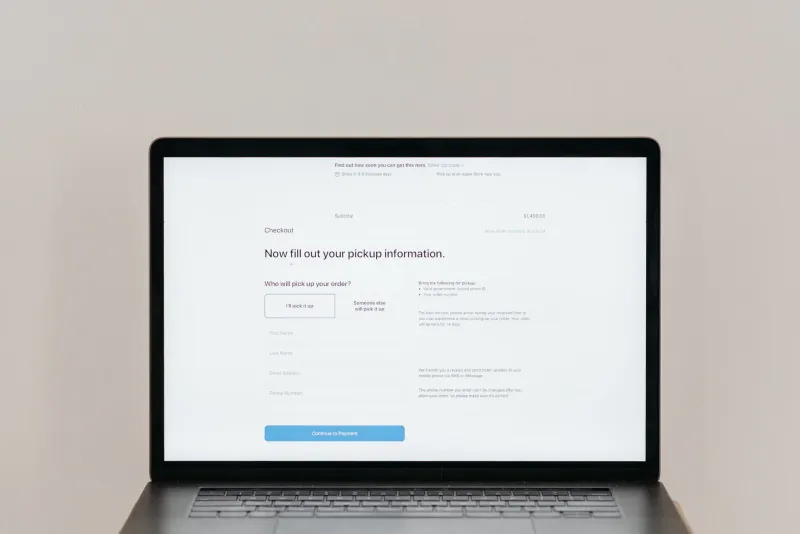
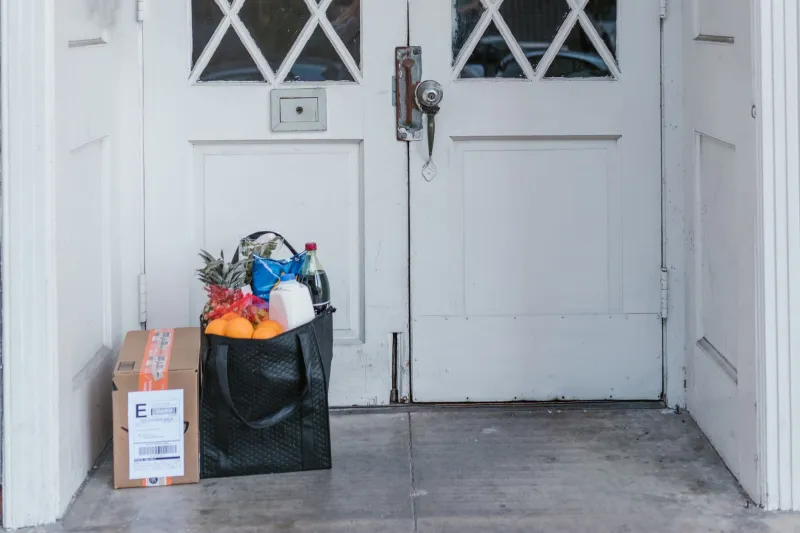
You type in your address at checkout, hit confirm, and move on. Seems pretty routine, right? But that string of numbers and street names you enter every time you order something online is doing a whole lot more than just telling a delivery driver where to drop your box. It's feeding a system that knows your neighborhood, makes assumptions about your wallet, and may be quietly shaping what you pay — and how fast you get it.
Welcome to the hidden geography of online shopping.
More Than a Mailing Address
When you hand over your delivery address, you're not just sharing logistics information. Retailers and their data partners cross-reference that address with a staggering amount of publicly available and third-party data — census income brackets, property values, consumer spending patterns, even local retail density. In seconds, your zip code gets slotted into a profile that helps a retailer decide how to treat you as a customer.
This isn't a conspiracy theory. It's a well-documented practice in the e-commerce industry called geographic segmentation, and it's baked into the algorithms powering most major online shopping platforms. The idea is that where you live says something meaningful about what you'll buy, how much you'll spend, and how sensitive you are to price changes.
The uncomfortable part? They're often right — and they're using that information to their advantage, not yours.
The Speed Disparity You've Probably Never Noticed
Here's something worth paying attention to: not everyone who orders the same item on the same day gets it at the same time. Shipping speed is often influenced by proximity to fulfillment centers, sure — but that's not the whole story.
Researchers and consumer advocacy groups have found patterns suggesting that certain zip codes, particularly those in lower-income or predominantly minority neighborhoods, consistently receive slower estimated delivery windows even when controlling for distance from warehouses. Meanwhile, shoppers in wealthier suburban zip codes tend to see faster options offered upfront, sometimes at no extra charge.
For the everyday shopper, this can feel invisible. You assume the two-day window you're seeing is the same one your neighbor across town is seeing. It might not be. The algorithm serving up your delivery estimate has already made a judgment call about your neighborhood — and you never got a say in it.
Dynamic Pricing and the Zip Code Tax
Pricing based on geography isn't new. Gas stations do it. Insurance companies have done it for years. But online retail has made it faster, more granular, and a lot harder to detect.
Some retailers use location data to test different price points in real time. A shopper in a high-income zip code might see a slightly higher base price on a product than someone in a budget-conscious area — the assumption being that the first shopper is less likely to abandon their cart over a few extra dollars. This is sometimes called price personalization, though critics have a less flattering name for it.
It's worth noting that not every retailer engages in this practice, and some have explicit policies against it. But the tools to do it exist, they're widely available, and the incentive is obvious. Without transparency from the platforms themselves, it's nearly impossible for the average consumer to know whether they're getting a fair price or a profiled one.
What Your Address Reveals About Your Buying Behavior
Beyond pricing and shipping, your delivery address feeds into predictive models that retailers use to personalize — or more accurately, to influence — your entire shopping experience. The product recommendations you see, the promotions you get emailed, the discount thresholds you're offered — all of it gets filtered through what your location data suggests about you.
Live in a zip code with a high density of new homeowners? Expect to see a lot of furniture, tools, and home improvement products surfaced your way. Reside in a college-heavy area? Subscription services, tech accessories, and cheap furniture might dominate your feed. This sounds convenient on the surface, but it also means your browsing experience is being pre-narrowed based on assumptions about your demographic profile rather than your actual preferences.
The result is a feedback loop: the algorithm assumes what you want based on where you live, shows you more of that, and then uses your clicks to confirm its original assumption. You never really broke out of the box it put you in from the start.
The Privacy Angle Nobody Talks About
Most people think about online privacy in terms of passwords and payment information. But delivery address data is just as sensitive, and it's far less protected in the public conversation.
Your address, combined with your purchase history, creates a remarkably detailed portrait of your life — your income bracket, your family size, your health needs, your hobbies. That data doesn't necessarily stay within the walls of the retailer you bought from. It can be sold to data brokers, shared with marketing partners, or used to build profiles that follow you across the web.
Under current US law, there's no comprehensive federal regulation governing how retailers can use or share the location data tied to your purchases. A handful of states — California being the most prominent — have passed consumer privacy laws that give residents some control over their data. But for most Americans, the legal protections are thin, and the data pipelines are wide open.
What You Can Actually Do About It
This isn't a helpless situation, even if it feels like one. A few practical moves can limit how much location-based profiling affects your shopping experience:
Use a P.O. box or package locker when possible. Services like UPS Store boxes or Amazon Lockers give you a delivery address that's less tied to your personal demographic profile. It won't eliminate data collection, but it adds a layer of separation.
Compare prices across devices and networks. If you suspect you're seeing a personalized price, try checking the same product from a different browser, a VPN set to a different location, or a friend's device. Price differences can be revealing.
Read privacy policies — or at least the data-sharing section. It's tedious, but knowing whether a retailer sells your data to third parties is genuinely useful information.
Opt out where you can. Many retailers offer some form of data preference settings buried in your account profile. It won't shut everything down, but it sends a signal and limits some secondary uses of your information.
The Bigger Picture
Online shopping is supposed to be the great equalizer — a place where everyone has access to the same products at the same prices, regardless of whether they live near a mall or an hour from the nearest big-box store. And in many ways, it genuinely is. But the delivery address you type in at checkout is quietly complicating that promise.
The geography of where you live still shapes your experience, even in a world of digital storefronts and next-day delivery. The difference is that now it's happening algorithmically, invisibly, and at a scale that's hard to fully grasp.
Your zip code is talking. It might be time to start paying attention to what it's saying — and who's listening.