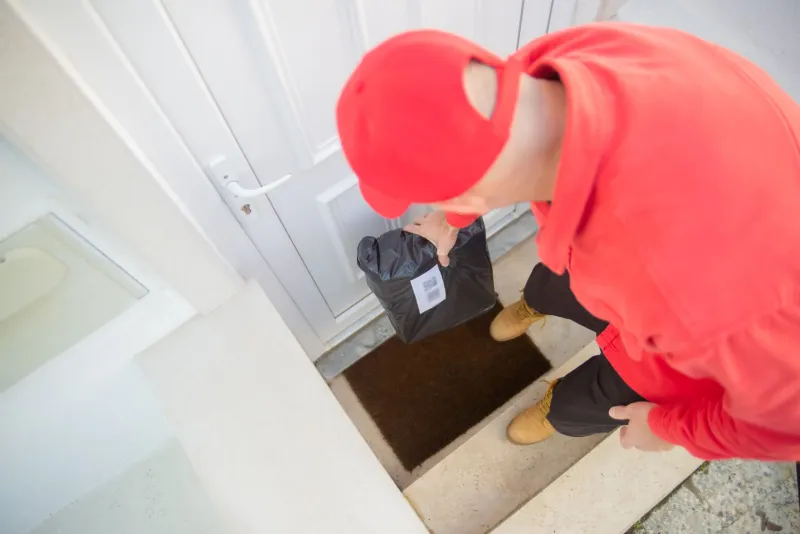
Order on Tuesday, Get It Thursday: The Hidden Shipping Schedule Nobody Talks About
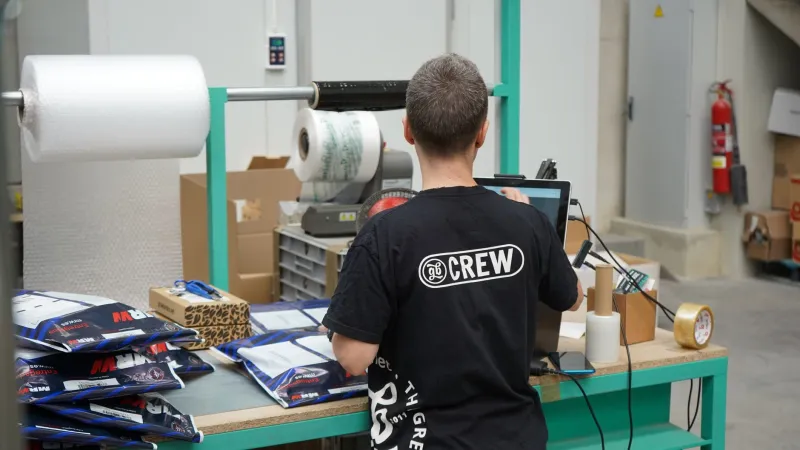
Most people treat online shopping like a vending machine — you press a button, something comes out, and timing feels random. But behind every order confirmation email is a surprisingly structured machine, one with rhythms, bottlenecks, and yes, sweet spots that can shave a full day or two off your delivery without upgrading to any paid shipping tier.
If you've ever ordered something on a Friday afternoon and watched your tracking number collect dust all weekend, you already know something is off. The question is: what's actually going on back there — and how do you stop being the person who accidentally parks their package in a logistical dead zone?
The Warehouse Doesn't Sleep, But It Does Slow Down
Here's the thing most shoppers don't realize: fulfillment centers aren't running at the same pace every day of the week. Mondays tend to be chaotic — staff are processing the weekend's backlog of orders, re-sorting inventory, and playing catch-up with carrier pickups that didn't happen over the weekend. It sounds efficient in theory, but in practice, your Monday order often sits in a queue behind a mountain of Saturday and Sunday purchases.
Friday afternoons are the other notorious trap. Many warehouses have carrier pickup cutoffs around noon or 1 p.m. on Fridays. If your order doesn't make that window, it's not going anywhere until Monday morning. That "2-day shipping" promise quietly becomes a 4-day reality, and you're none the wiser until you're refreshing tracking on a Sunday night.
The sweet spot? Tuesday through Thursday, particularly orders placed in the morning. Warehouses are running at full capacity, carrier routes are optimized, and your package doesn't have to fight through a Monday backlog or a Friday cutoff cliff.
Why Carrier Schedules Matter More Than You Think
FedEx, UPS, and USPS don't just pick up packages randomly — they run fixed routes, and those routes are calibrated around volume patterns. Mid-week is when those routes are most efficiently loaded. That means trucks leave fuller, sorting facilities aren't overwhelmed, and your box moves through the network faster simply because everything around it is also moving efficiently.
Think of it like highway traffic. A package moving on a Tuesday is like driving at 10 a.m. on a Wednesday — clear lanes, good speed, no surprises. A package entering the network on Friday afternoon is rush hour on I-95. Same destination, completely different journey.
USPS in particular has some interesting quirks here. Because they deliver seven days a week in many areas, Sunday delivery is real — but it's prioritized for Priority Mail Express, not standard packages. If your order ships late Friday via ground or standard service, it could sit at a regional facility over the weekend before hitting a local post office on Monday.
The Cutoff Time Game
Every major retailer and fulfillment center has an internal cutoff time — the point in the day after which your order doesn't get processed until the following morning. These cutoffs usually land somewhere between 11 a.m. and 2 p.m. local warehouse time, though they vary by retailer.
Here's the counterintuitive part: if you order at 9 a.m. on a Wednesday, you're almost guaranteed same-day processing. Order at 3 p.m. on a Wednesday, and you might still make it — but it's close. Order at 6 p.m. on any day, and you're essentially placing a next-morning order, which means your "2-day shipping" clock doesn't start until tomorrow.
This is why that estimated delivery date shown at checkout can sometimes feel like a lie. It's technically accurate based on when processing begins, not when you clicked the button.
Practical move: When you need something fast, place your order before noon in your time zone — and remember that most major fulfillment centers are operating on Eastern or Central time. If you're on the West Coast, that window is even tighter.
Holiday Weeks and the Fake "Safe" Window
Holiday shopping throws a wrench into all of this, obviously. But there's a specific trap people fall into during holiday weeks that's worth calling out: the Tuesday before Thanksgiving.
It feels like a safe shipping window. It's mid-week, it's before the holiday, and retailers are fully staffed. The problem is that every other person who read an article like this one is also ordering on that Tuesday. Volume spikes, carrier capacity gets maxed out, and what's normally a smooth mid-week window turns into a mini-version of the Monday chaos.
During peak holiday weeks, shift your strategy. Earlier in the week is still better than later, but you'll want to add a buffer day to any estimated delivery window. If a retailer says something arrives by Wednesday, mentally plan for Thursday.
How to Actually Use This Information
So what does all of this look like in practice? A few simple habits that cost you nothing:
- Default to Tuesday or Wednesday mornings for anything time-sensitive. This is your highest-probability window for hitting the full mid-week shipping rhythm.
- Avoid Friday afternoon orders unless you genuinely don't need the item until the following week. You're not saving time — you're gifting your package a weekend vacation.
- Check the retailer's cutoff time before you assume same-day processing. Many sites list this near the shipping options at checkout, or in their FAQ. If you can't find it, assume noon as your safe deadline.
- Watch for warehouse location when shopping from platforms with multiple sellers. A seller shipping from a warehouse in your region will almost always beat a cross-country shipment, regardless of what day you order.
- Don't assume "free 2-day" means 2 calendar days. It means 2 business days from processing, which could push your arrival further than the checkout page implies.
The Bigger Picture
None of this requires a paid membership, a shipping upgrade, or any kind of insider access. It's just a matter of understanding that e-commerce fulfillment operates on a schedule — and that schedule has good days and bad days, fast lanes and gridlock.
Once you start thinking about when you order, not just what you order, you'll notice your packages arriving more predictably and your tracking updates moving faster. It's a small shift in habit with a surprisingly consistent payoff.
At HNB Shop, we're all about making sure what you need actually gets to your door — and gets there on time. Shopping smarter isn't just about finding the right price. Sometimes it's about hitting send at the right moment.