Gift Cards at Checkout: The Last-Second Upsell You Keep Falling For
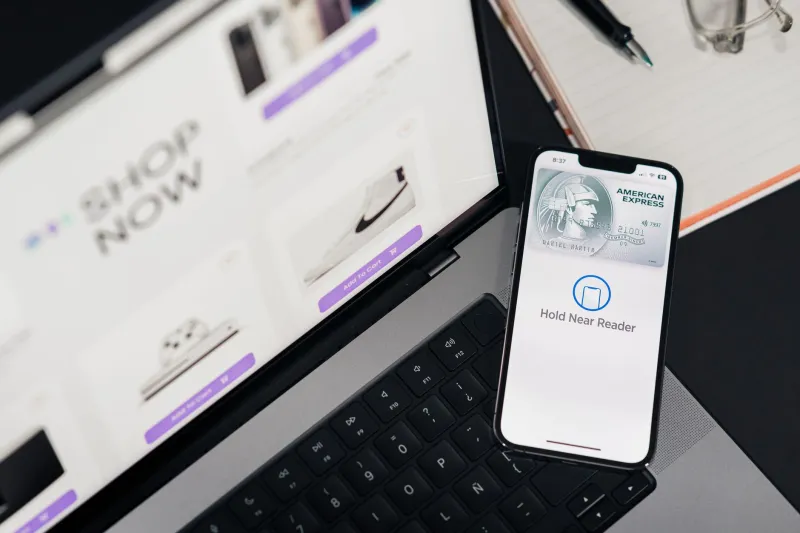
You're two clicks away from finishing your order. You've already entered your card number, confirmed your address, and mentally moved on. Then it appears — a cheerful little box asking if you'd like to add a digital gift card for a friend or family member. Maybe there's even a small graphic of a bow on it. Cute, right?
Not exactly. That prompt is one of the most calculated moments in the entire online shopping experience, and the timing is absolutely no coincidence.
Why Checkout Is Prime Real Estate for Upsells
By the time you reach the final checkout screen, you're already committed. You've spent time browsing, comparing, maybe even second-guessing yourself — and now you've made a decision. That mental exhaustion is called decision fatigue, and retailers know it makes you more vulnerable to impulsive additions.
Adding a gift card at that exact moment requires almost zero new decision-making on your part. You don't have to think about sizing, color, or whether it'll fit in your cart. It's a flat dollar amount, it's instant, and it feels generous. That's a dangerous combination when your guard is already down.
Retailers have tested this relentlessly. Checkout page prompts — especially ones that feel low-effort and socially positive, like gifting — consistently outperform prompts placed earlier in the shopping journey. You're more likely to say yes when you're already in "yes mode."
The Breakage Windfall Nobody Talks About
Here's the part that most shoppers genuinely don't know about: a significant chunk of gift card value never gets redeemed. The industry calls this "breakage," and it's a legitimate, documented revenue stream for retailers.
According to data from the Consumer Financial Protection Bureau and various retail industry reports, Americans leave billions of dollars on gift cards unused every single year. Some estimates put unredeemed gift card value in the US at over $3 billion annually. That money doesn't disappear — it stays with the retailer.
So when a store nudges you to buy a $25 or $50 digital gift card at checkout, they're not just hoping the recipient spends it and comes back for more. They're also quietly counting on a portion of that value sitting in a digital wallet somewhere, forgotten, until it expires or the recipient loses track of it entirely.
Digital gift cards are actually worse in this regard than physical ones. With a plastic card in your wallet, there's at least a physical reminder. A digital code buried in an email thread from six months ago? That's practically invisible.
The Average Order Value Game
Beyond breakage, gift card prompts serve another purpose: they inflate your order total. Retailers track something called average order value (AOV) obsessively. Every dollar they can add to your cart before you complete a transaction moves that number in their favor.
A $50 gift card tacked onto a $78 purchase bumps your order to $128. Multiply that across thousands of daily transactions and you're looking at a meaningful revenue lift — all from a single well-placed prompt that took their development team maybe a week to build and test.
For the retailer, it's almost pure upside. They collect the money immediately. The gift card recipient may or may not redeem it. If they do, great — another customer walks through the (digital) door. If they don't, the retailer keeps the cash anyway.
The "Thoughtful Shopper" Illusion
There's also a psychological hook here that goes beyond simple convenience. The gift card prompt often appears alongside messaging like "Don't forget someone special" or "Send a little something extra." It activates your sense of social obligation — suddenly you're not just buying something for yourself, you're being nudged to think about whether you're a good enough friend, partner, or family member.
That's a clever reframe. You arrived at checkout thinking about your own purchase. Now you're briefly questioning whether you should be doing more for the people in your life. It's a tiny emotional detour, but it's enough to make some shoppers click "Add" without really thinking it through.
How to Actually Use Gift Cards Smartly
None of this means gift cards are inherently bad. They're genuinely useful in the right context — especially for people who are hard to shop for, or when you want to give someone the freedom to choose their own thing. The problem isn't the product. It's the moment and the mechanism.
Here are a few ways to stay in control:
Buy gift cards intentionally, not impulsively. If you want to send someone a gift card, decide that before you start shopping — not while you're mid-checkout on something unrelated. Treat it like its own transaction.
Watch for expiration dates and fees. Federal law limits inactivity fees and requires most gift cards to remain valid for at least five years, but "most" isn't "all." Read the fine print before you buy, especially for smaller or specialty retailers.
Track what you send. If you do buy a digital gift card, send a follow-up to the recipient. A gift card that never gets used isn't a gift — it's just a donation to a corporation.
Don't let the prompt hijack your budget. If a gift card wasn't in your shopping plan for the day, it shouldn't appear in your cart. It's okay to close that pop-up and move on.
The Bigger Pattern Worth Recognizing
The gift card prompt is just one piece of a much larger checkout optimization strategy that retailers use to squeeze every possible dollar out of the final moments before you pay. You'll also see last-minute product suggestions, warranty add-ons, donation round-ups, and loyalty program sign-ups clustered in that same window.
All of it is engineered around the same insight: you're most pliable when you're already committed to buying. Your resistance is lowest, your desire to just finish the transaction is highest, and anything that feels quick and painless is going to get more clicks than it deserves.
At HNB Shop, we think shopping should actually work in your favor — not just feel like it does. Knowing why certain prompts show up when they do puts you back in the driver's seat. You can still buy gift cards. You can still be generous. Just do it on your terms, not theirs.
Next time that little gift card box pops up right before you confirm your order, take a breath. Ask yourself if you actually planned to buy one today. If the answer is no, close it and keep moving. Your wallet — and your recipient's email inbox — will thank you.