Extended Warranties Are a Retailer's Best Friend — Not Yours
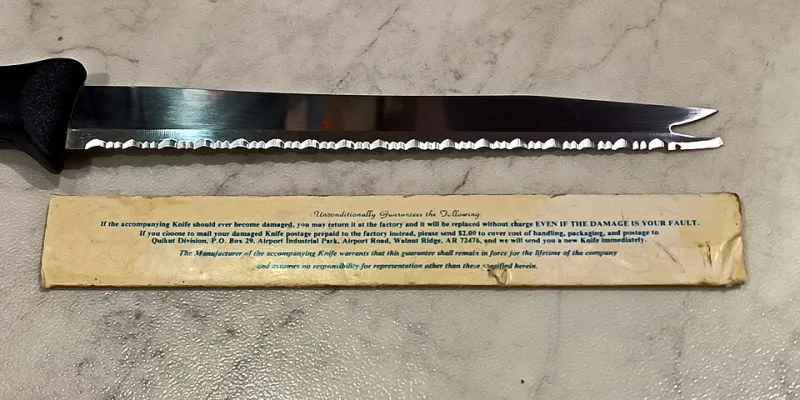
Photo: Anachronist, Public domain, via Wikimedia Commons
You've just found the perfect laptop, air fryer, or washing machine. You've done the research, compared the prices, and you're ready to check out. Then it happens — the popup, the pitch, the friendly sales associate leaning in just a little too close. "Would you like to add a two-year protection plan for just $49.99?"
It sounds reasonable. It even sounds responsible. But before you click "Yes, protect my purchase," it's worth understanding exactly what you're buying — and why stores push these plans so aggressively in the first place.
Why Retailers Love Warranties More Than You Do
Extended warranties and protection plans are among the highest-margin products in retail. Industry analysts have estimated that retailers keep anywhere from 50 to 80 cents of every dollar spent on these plans. That's a profit margin that would make most product categories blush.
For context, a big-box electronics retailer might make a 6–10% margin on the laptop itself but a 50%+ margin on the warranty attached to it. That's why the upsell pitch is so persistent — it's not customer care, it's a revenue strategy.
The business model works because most people either don't file claims, forget the warranty exists, or find that their specific problem isn't covered when they actually try to use it. Fine print is a warranty's best friend.
The Math Most People Skip
Let's run a quick scenario. You buy a $400 blender and add a three-year protection plan for $60. Sounds like a deal — that's only $20 a year, right?
But here's the thing: most small appliances come with at least a one-year manufacturer's warranty already baked in. So your $60 plan is really only covering years two and three. And the average failure rate for most small kitchen appliances within three years? Fairly low — especially if you're buying from a reputable brand.
If you bought that same type of appliance ten times over the years and added a protection plan each time, you'd spend $600 on warranties. The odds that you'd actually use more than one or two of those plans — and that the repair or replacement would exceed what you paid — are pretty slim.
Over a lifetime of purchases, those "just in case" plans can quietly drain hundreds, sometimes thousands, of dollars.
The Products Where Warranties Actually Make Sense
Not every warranty is a waste of money. There are specific situations where extended coverage is genuinely worth considering.
High-cost electronics with expensive repairs. Laptops and smartphones are the clearest examples. Repairs can be shockingly expensive — a cracked screen replacement or a motherboard fix can easily run $200–$400. If you're buying a $1,200 laptop and the warranty costs $100–$150, that math can work in your favor, especially if the plan covers accidental damage.
Appliances with complex mechanical systems. Refrigerators, dishwashers, and HVAC-related appliances have a lot of moving parts. A compressor failure on a fridge can cost $400–$700 to fix. If you're buying a high-end appliance in the $1,000+ range, a warranty with solid coverage terms may be worth a second look.
Items you're buying refurbished or open-box. If you're saving money by going the refurbished route — smart move — a protection plan can add a layer of security that makes the risk more manageable.
The Products Where You Should Almost Always Skip It
- Small kitchen appliances under $100. Toasters, coffee makers, hand mixers — if they break, replacing them is usually cheaper than what you paid for coverage.
- Cables, chargers, and accessories. These are almost never worth insuring.
- Clothing and shoes. Some retailers now offer "protection plans" on apparel. Hard pass.
- Furniture with fabric protection plans. These are notoriously difficult to actually claim on. The coverage terms are usually narrow enough to exclude most real-world spills and damage.
- Budget electronics under $200. The replacement cost is close enough to the repair cost that a warranty rarely pays off.
Common Sales Tactics to Watch For
Retailers and their sales teams are trained to make protection plans feel urgent and essential. Here are a few moves to recognize:
The anchoring trick. Framing the warranty cost relative to the product price makes it feel small. "It's only 10% of what you paid!" But 10% of a $500 purchase is still $50.
The fear pitch. "These things break all the time" is a classic line. Ask yourself: if this product broke that often, would the store still sell it?
The pre-checked box online. Many e-commerce sites quietly add protection plans to your cart by default. Always review your cart before checkout — this is one of the easiest ways to get charged for something you didn't consciously choose.
The last-minute upsell. Whether it's a pop-up at digital checkout or a cashier pitch at the register, the timing is designed to catch you when your decision fatigue is highest and you just want to be done.
A Simple Framework for Making the Call
Next time you're faced with a warranty decision, run through these four questions:
- Does the product already have a manufacturer's warranty? If yes, how long? You may already have coverage you're forgetting about.
- What would it actually cost to repair or replace this item? If replacement is cheap, skip the plan.
- Does the protection plan cover what's most likely to go wrong? Read the exclusions — not just the benefits.
- Does your credit card offer purchase protection? Many major credit cards include extended warranty benefits and purchase protection automatically. Check your card's benefits before paying for something twice.
One More Thing Worth Knowing
If you're shopping through HNB Shop or any other online retailer, take a moment to review your full cart before finalizing your order. Protection plans and add-ons sometimes appear as pre-selected options that are easy to miss when you're moving quickly through checkout.
The best protection you can give your money isn't a warranty — it's a few extra seconds of attention before you hit "Place Order."
Saving money online isn't just about finding the best price. It's about not paying for things you didn't ask for and don't actually need. That's a skill worth developing.